Q&A with Garreth Brown, Finance & Transformation Lead, Heyside Group
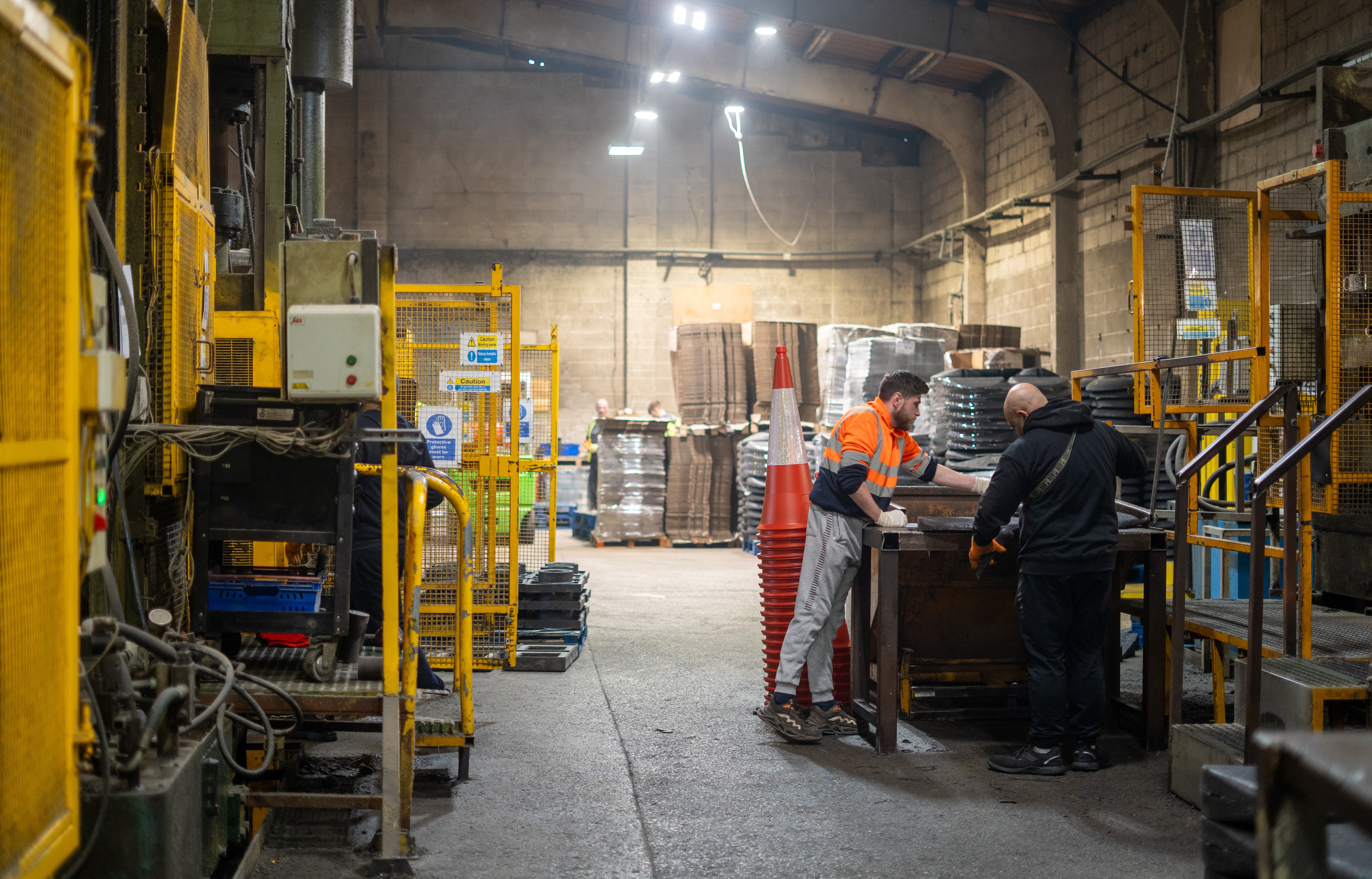
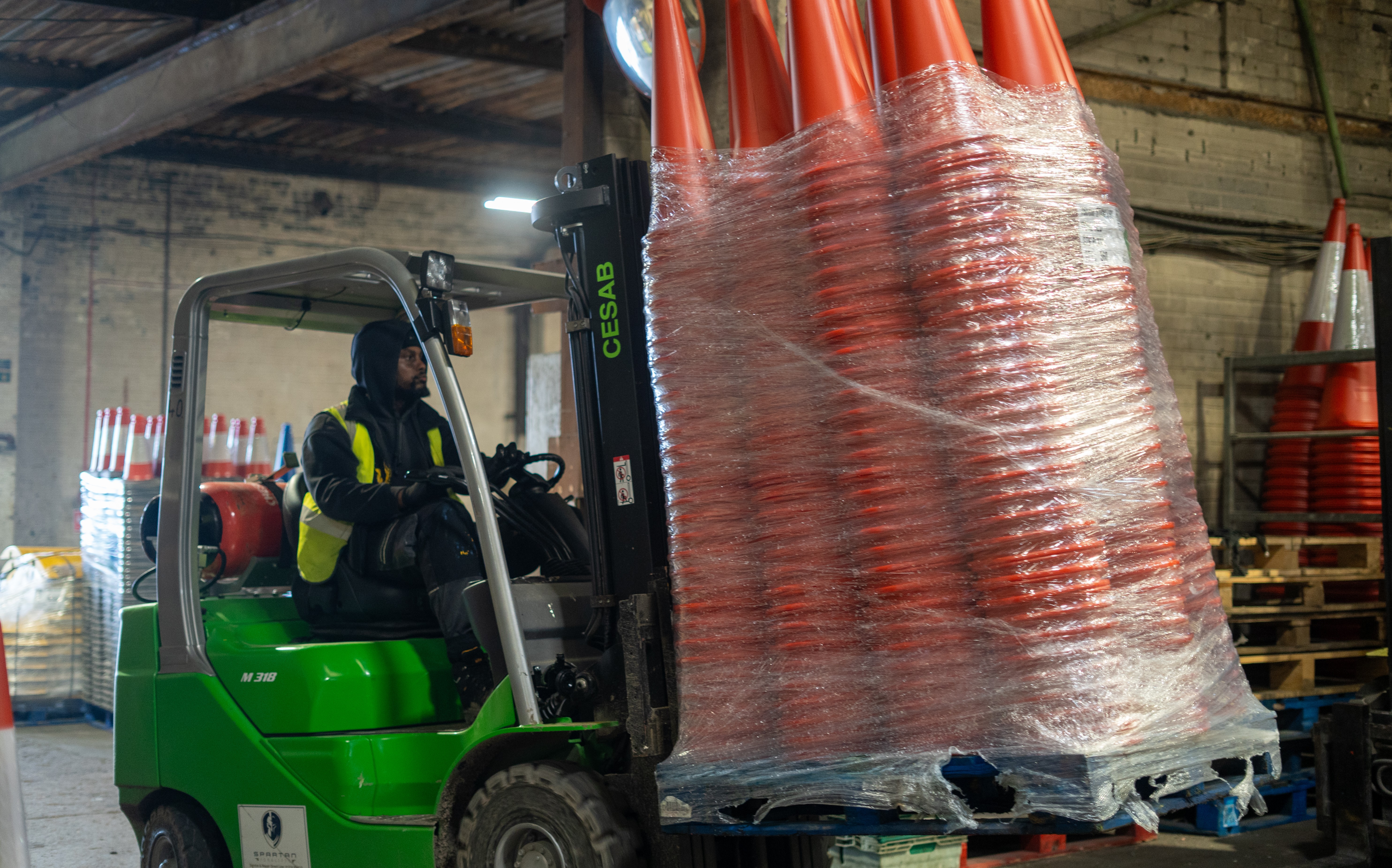
Heyside Group — an Oldham‑based, family‑run manufacturer — is undergoing a major shift from traditional manual processes to a fully modernised, automated factory. Known for producing high‑volume PVC injection‑moulded products for the traffic management, utilities and infrastructure sectors, the company processes around 300 tonnes of recycled plastic per week and is now scaling both its capacity and capabilities.
This transformation has been accelerated by the GM Business Growth Hub, which connected Heyside to key programmes including Made Smarter, NERIC, Innovate UK, Salford University, and the GMCA loan fund. Oldham Council has also supported the business with targeted grant funding and is now strengthening engagement as Heyside enters its next stage of growth.
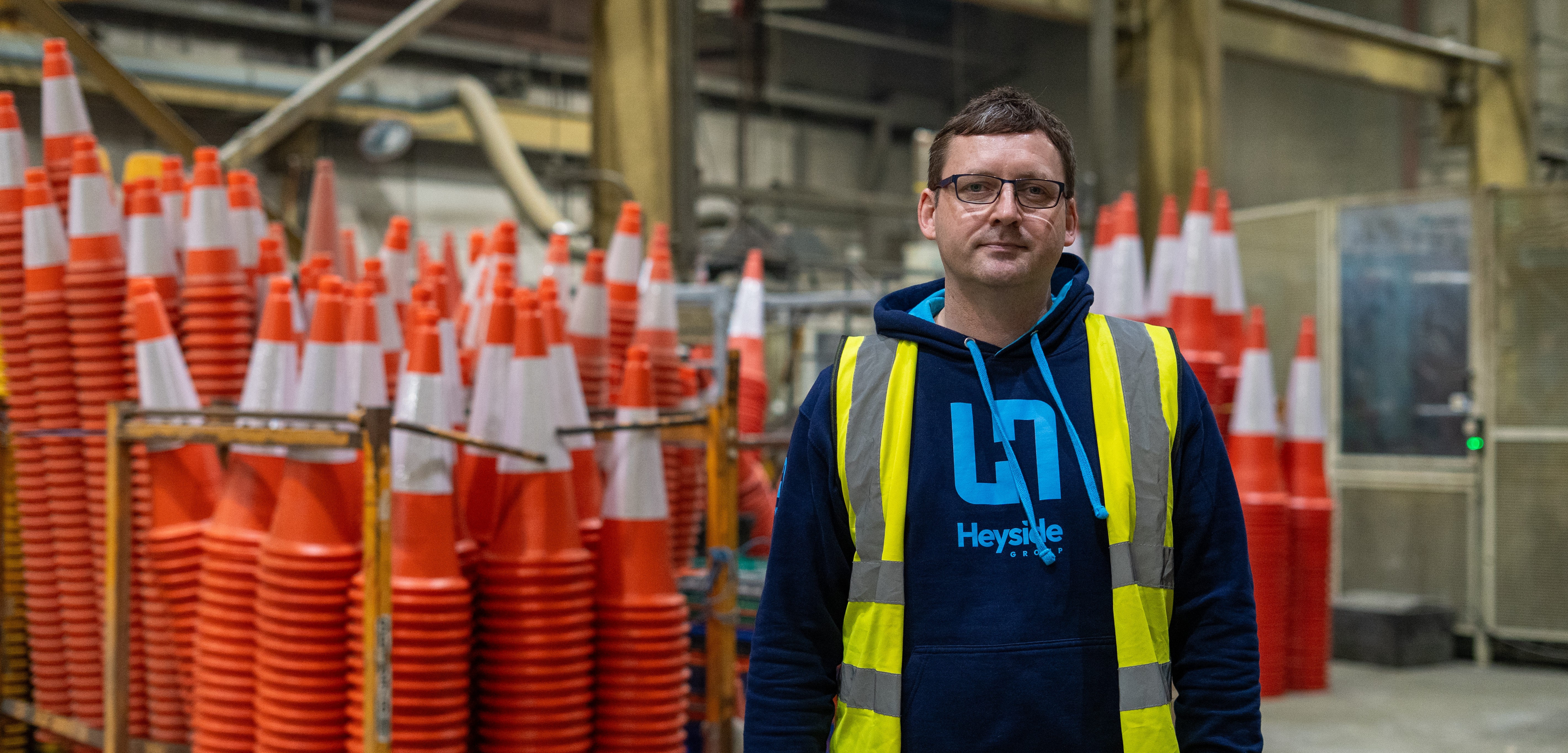
Q: Garreth, how has Heyside evolved in recent years?
A: Heyside began as a small family operation and has grown alongside its customers, particularly in traffic management and chamber systems. We specialise in PVC injection moulding and recycle significant volumes of material that would otherwise go to landfill. Over the past four years, we’ve been transitioning from manual production to advanced, digitally supported manufacturing. It’s been a big cultural and operational shift, involving new machinery, skills and ways of working.
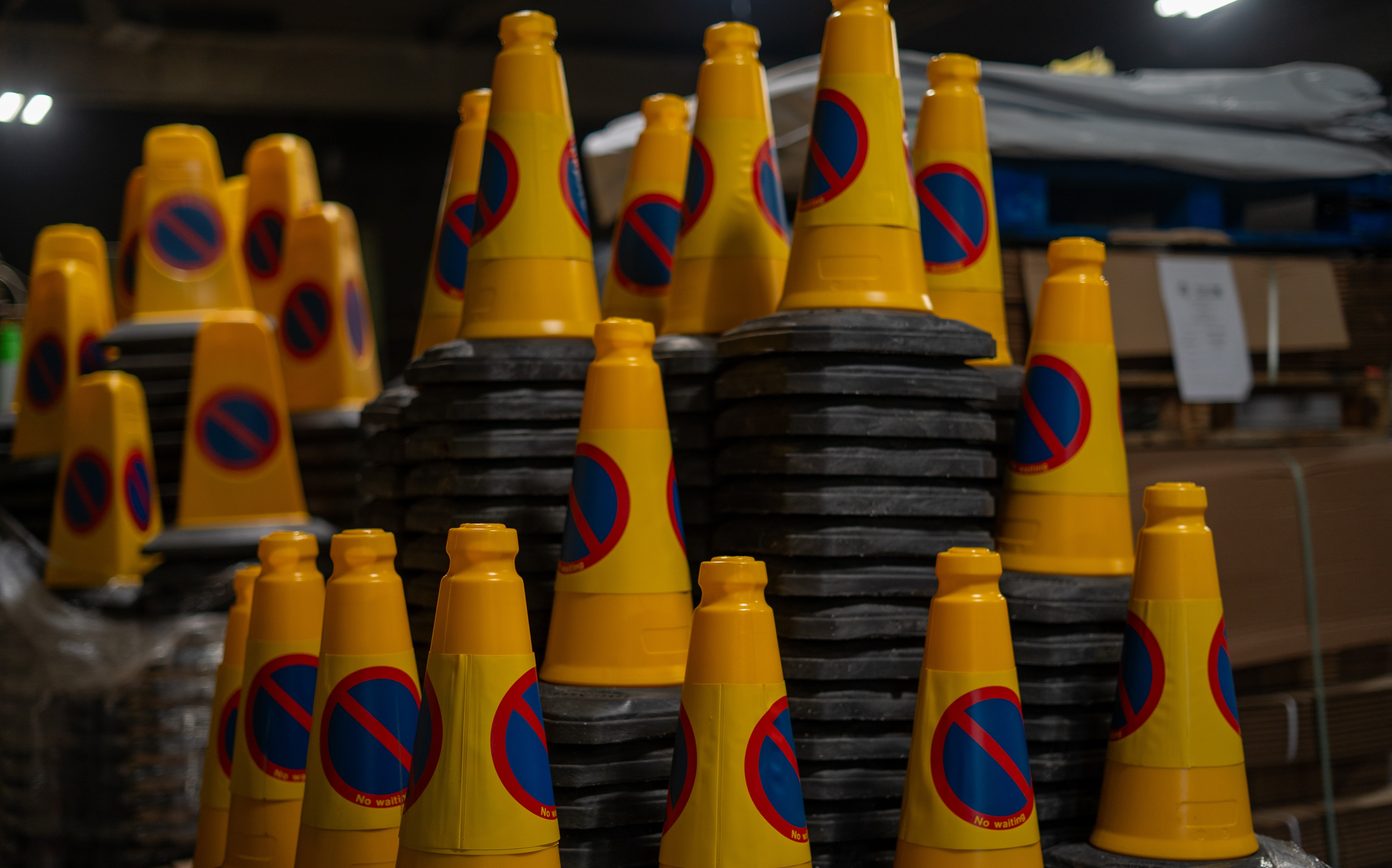

Q: What challenges prompted you to seek external support?
A: Our biggest hurdles were skills and supply chain. Moving to sophisticated machinery meant we needed a more technically capable workforce, but the local manufacturing skills pool has declined over the years. At the same time, we rely heavily on overseas components, such as reflective sleeves for our traffic cones. Shipping delays and uncertainty forced us to rethink how we operated. These issues made it clear we needed expert help to progress.
Q: How did your relationship with GM Business Growth Hub begin?
A: I contacted the Hub initially to explore potential grant funding. What became clear very quickly was that the support available was far broader than that. Our manufacturing advisor from the Hub visited the site, understood our goals, and showed us how the Hub could guide us through skills development, digital adoption, automation, and wider innovation support. That first meeting was the real starting point of our transformation.
Q: How did the Hub help you address your challenges and access wider support?
A: The Hub effectively became our central navigation point. Their manufacturing advisor connected us to Made Smarter, enabling investment in digital systems like a new server and invoice‑scanning software, as well as access to digital internships that brought new capability into the business. They also signposted us to NERIC, which gave technical assurance on our automation plans, and linked us to training, lean manufacturing support, and relevant industry events. That level of proactive guidance was invaluable — without the Hub, we simply wouldn’t have known where to turn.
Q: What role did Made Smarter and NERIC play in your automation journey?
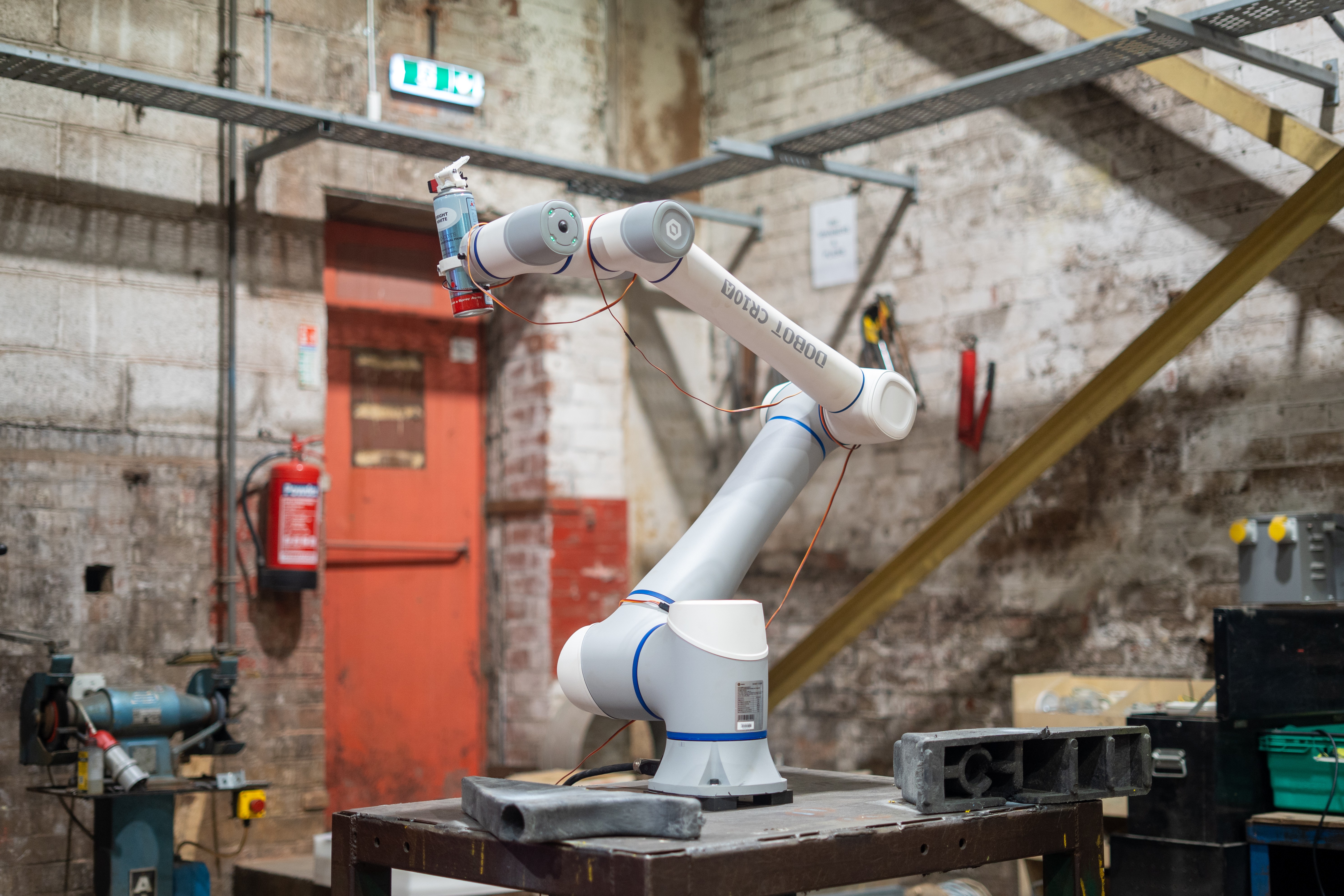
A: Made Smarter provided impartial digital expertise, helping us evaluate suppliers and make informed investment decisions. They also introduced us to the internship programme, which brought in a robotics graduate who contributed so much that we hired him permanently. NERIC supported us by assessing which processes were suitable for automation and by validating our chosen robotic paint‑spraying system. Their technical reassurance helped us move ahead with confidence.
Q: How has the £500,000 GMCA loan supported your transition?
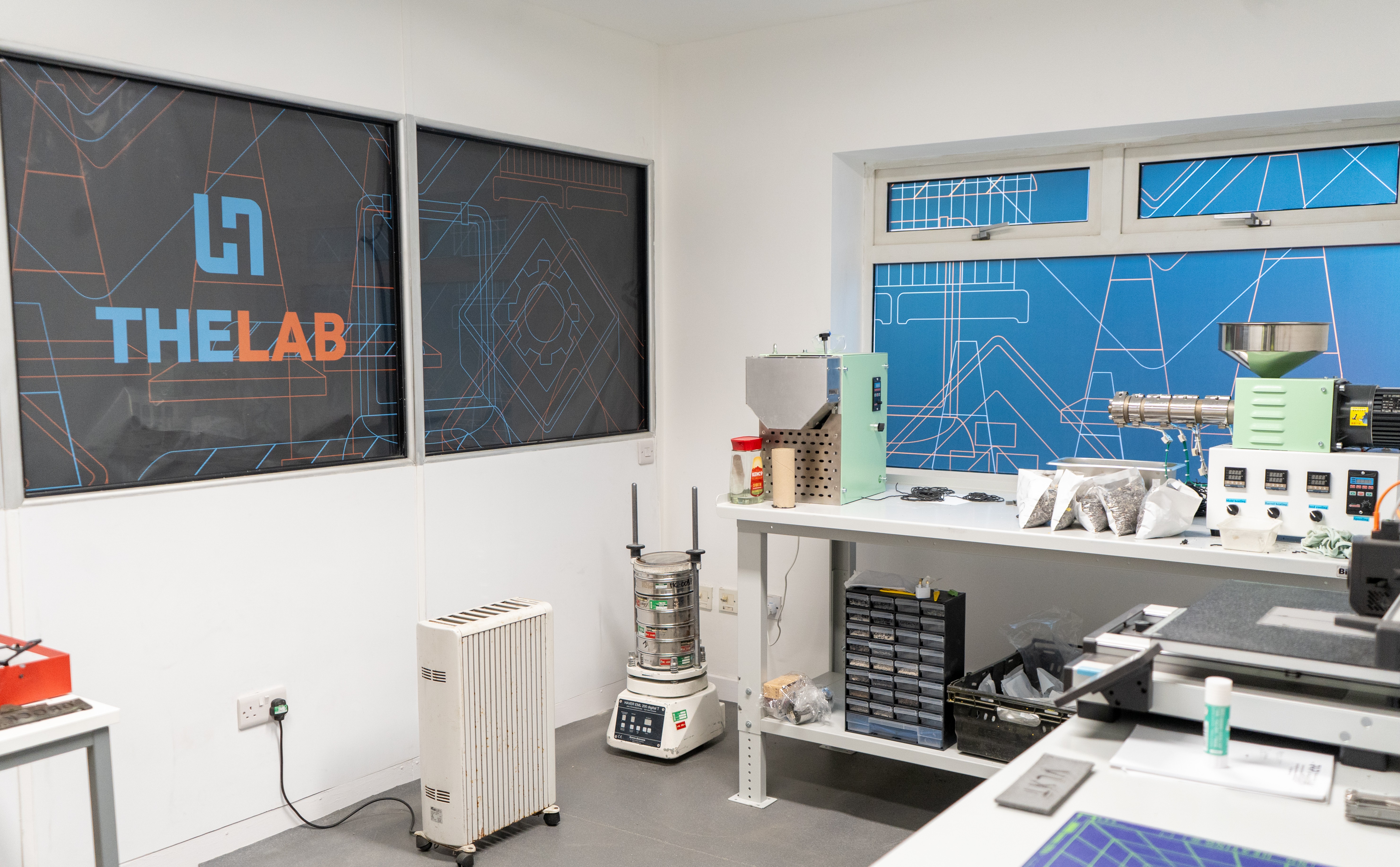
A: The GMCA loan has been transformative. It allowed us to invest £200,000 in new tooling to shift products from older compression moulding processes onto modern injection lines, improving consistency and efficiency. It’s also supporting the wider robotic paint‑spray system — including conveyors, spray booths and precision spray heads — which complements the robotic arm we secured through the Growth Hub’s Innovation Fund. The loan also supports our two Knowledge Transfer Partnerships with the University of Lancashire and Salford University, giving us academic expertise in materials, automation and robotics. This level of support has accelerated a process that would otherwise have taken years.
Q: What benefits do you expect as automation becomes fully embedded?
A: Our projections show a 40–60% increase in production capacity within five years, which could generate an additional £3.2m–£4.8m in revenues per year. We also expect annual savings of around £50,000 in paint and £60,000 in labour through improved efficiency. Automation will reduce downtime, improve product consistency, and help us enter new markets such as rail, defence and international sectors.
Q: How has Oldham Council supported Heyside?
A: Oldham Council has played a helpful role, particularly through a £10,000 technology grant that enabled us to install an automated feed system. As we continue to grow and rebrand, the Council has become more engaged, inviting us to join local manufacturing forums and supporting our increased visibility in the borough. We see this as the start of a stronger long‑term partnership.
Q: How would you describe your overall experience with the Growth Hub?
A: Extremely positive. The Hub has been at the centre of our entire transformation — connecting us to the right organisations, providing impartial advice, and helping us navigate opportunities that we simply wouldn’t have found on our own. Their support has been instrumental.
Q: What’s next for Heyside Group?
A: We have three major ambitions. First, to expand our export activity, particularly in the Middle East where infrastructure demand is high. Second, to grow our product development capability so we can design and manufacture bespoke solutions for new sectors. And third, to expand into new materials — including becoming a leading UK supplier of recycled PVC pellets. Everything we’re implementing now is laying the foundation for that future.
Heyside Group’s journey shows how Greater Manchester’s support ecosystem helps manufacturers modernise, innovate and scale. With the GM Business Growth Hub as the central connector, Heyside has accelerated its move into advanced manufacturing through digital adoption, robotics, skills development and strategic funding — supported by Made Smarter, NERIC, GMCA, academic partners and Oldham Council. The business is now positioned not only to grow, but to lead.
Greater Manchester’s support ecosystem is here to help more manufacturers thrive. If your business is planning to modernise, digitise or scale, the GM Business Growth Hub can guide you to the right support — from skills and automation to funding and innovation partnerships. Speak to our team to explore what’s possible.
Get in touch
Please contact us at 0161 3593050 or query below.
Take that first step and we’ll support you with whatever you need to succeed.
Sign-up to our newsletter
Insights, news, events and opportunities straight to your inbox.