Leadership and culture aren’t always the first things people associate with manufacturing. The sector is known for technical skill, precision, and getting the job done fast. But as challenges mount around skills, productivity, retention and digital change, the people side of the industry has become harder to ignore.
To understand what’s really happening inside manufacturing workplaces, we sat down with Bella Halsall, our Workforce Development Specialist who supports manufacturers across Greater Manchester. Her insights reveal a sector full of potential but also pressure, and why leadership and culture now sit at the heart of that story.

Falling into manufacturing and staying for the people
As a psychology graduate, Bella’s career began in the finance sector, where she stepped into early HR roles that helped her develop a strong understanding of how people work within organisations. She later moved into talent management for a large printing manufacturer - a role that opened her eyes to an industry she hadn’t previously imagined being part of but immediately connected with.
“My career naturally progressed and I ended up entering the manufacturing sector,” she explains. “The sector really interests me. It’s such a great place to work - super interesting, very technical, and full of people with so much knowledge.”
That experience now shapes the way she supports manufacturers to strengthen leadership capability, workplace culture and workforce resilience.
You’re nothing without your people.
When asked why leadership and culture are so important right now, Bella doesn’t hesitate.
“There’s so much growth potential for manufacturing businesses,” she says, “but without your people on board and without aligned values and goals, you’re not going to achieve that growth. Any business is nothing without its people.”
Manufacturers know they need to improve productivity, introduce new technologies and respond to market pressures but none of that sticks unless teams feel supported, heard and aligned.
Where culture breaks down: Communication, Structure and Segregation
Bella sees common patterns in the businesses she works with.
One of the biggest issues? Communication.
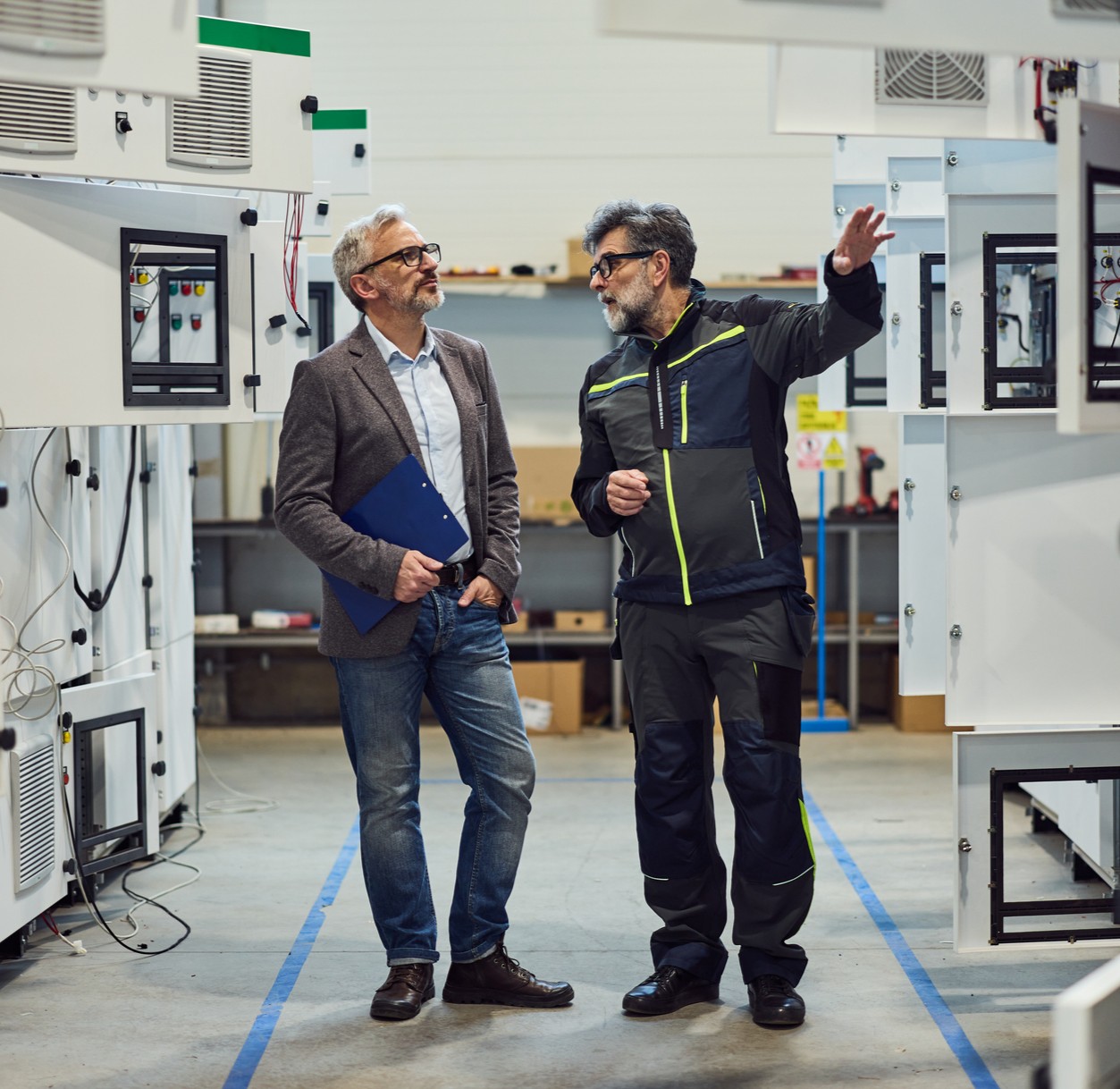
“You tend to have management and shopfloor staff segregated,” she explains. “They do communicate, but not effectively. Manufacturing businesses don’t always have the same practices as large corporate firms, things like regular one-to-ones or structured performance conversations. So, the people side can get forgotten about.”
The result is frustration on both sides: managers can feel unheard, and employees can feel overlooked.
Another challenge is structure. “Performance management processes need to be stronger and more tailored to manufacturing,” she says. “What works in a law firm won’t work on a shop floor.”
Digitalisation is moving faster than the people systems behind it
Manufacturing is undergoing huge change – automation, data use, new systems, new machinery. But Bella says people processes haven’t always kept pace.
“The sector is changing. It’s becoming a lot more digitalised, and leaders need to know how to approach change management, so staff feel supported and empowered.”
For many manufacturers, managing change is still an emerging skillset.
A real example: When overcommunication becomes the problem
Bella shares a recent case she supported in Oldham.
“They thought they had a communication problem because people weren’t listening,” she says. “But the real issue was overcommunication. Staff were bombarded from all directions, with no sense of what was important. So, people switched off.”
By resetting communication channels and introducing clarity around priorities, engagement improved quickly.
“Now the workforce is a lot more engaged,” she adds. “They take on board information because they understand what’s crucial and what’s not.”
What younger workers expect and why it matters
Manufacturers often ask why it’s so hard to attract younger employees. Bella’s answer is clear:
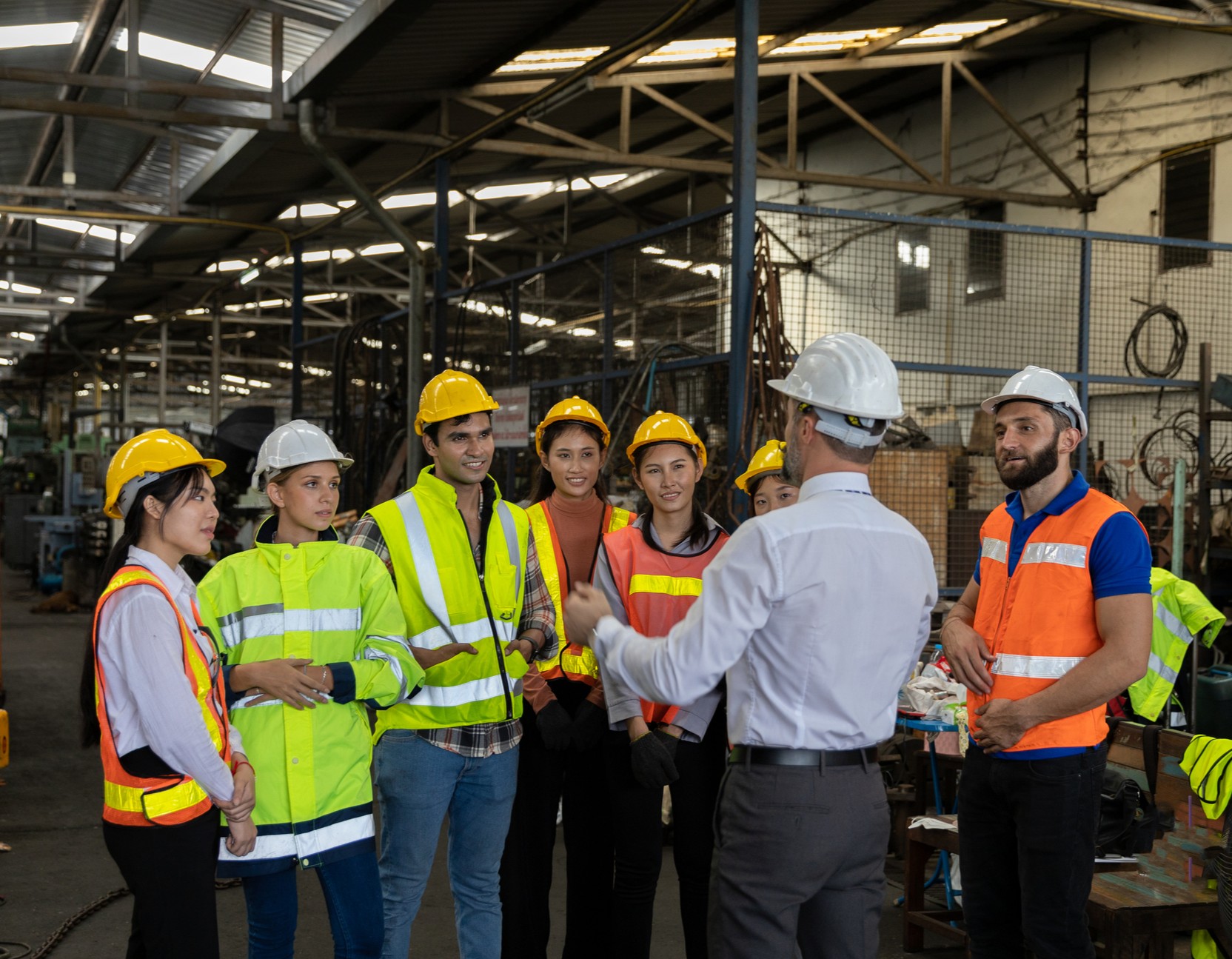
“They want transparency. They’d rather be told they’re doing something wrong than have it brushed under the carpet. They want feedback, they want to grow, and they want opportunity.”
Younger generations are ambitious and they want to see purpose in their role early on.
“They want to know where they fit in the bigger picture,” Bella says. “And they really value flexibility. Companies that don’t offer hybrid working, where possible, will lose applicants. Sustainability matters too – they want to work somewhere that aligns with their values.”
Inclusivity is another key theme.
If businesses improve their culture and inclusivity, they access a wider talent pool - including groups underepresented in manufacturing. That's a big part of culture too.

— Bella Halsall, Workforce Development Specialist (Manufacturing & Engineering)
So what can manufacturers do?
Start with the management layer. Bella’s advice is practical and grounded in experience:
- Build a tight, aligned management team: You won’t get buy in from the workforce if management aren’t consistent.
- Have regular one-to-ones: You’d be surprised how many businesses don’t do them.
- Use surveys and act on them: Collecting data means nothing if you don’t do something with it.
- Stay flexible: What works for one manufacturer won’t work for another.
How do we help
GM Business Growth Hub offers manufacturers a mix of Culture and Leadership workshops, skills development training, and 1:1 tailored support delivered by dedicated manufacturing advisors and workforce specialists like Bella.
Manufacturers often start with a workshop then receive deeper support around goal setting, one-to-one structures, or building communication frameworks that actually work.
“When managers show genuine curiosity and investment in their staff,” Bella says, “employees feel it. And when people feel invested in, everything changes.”