In conversation with Louise Di Blasi, International Growth Adviser. Estimated Reading Time: 4-6 mins Date: 15th September 2026
In-Depth with GM Business Growth Hub - A series of longer reads from the Hub, designed to give you comprehensive industry insights.
Most businesses preparing to sell overseas focus on their product, their price and their pitch. Far fewer stop to ask what the person on the other side of the table is actually looking for.
Louise Di Blasi, International Growth Advisor at the Business Growth Hub, has spent her career on both sides. For many years she sourced and developed products for major retailers, working with manufacturers, designers and logistics providers across international supply chains. She went on to become Head of Customs and Trade at Liverpool City Region Freeport and today brings more than 20 years of experience to helping Greater Manchester businesses grow internationally.
We asked her what wins over international buyers, where businesses go wrong, and how to give yourself the best possible start.
From the buyer's chair

1. When you were buying for major retailers, what made you say yes – or no – to a new supplier?
"A professional, consultative approach always stood out to me. The suppliers who caught my attention were the ones who had taken the time to understand my business and could clearly explain where their product fitted – whether that was filling a gap in the range, offering better value, bringing something innovative or responding to customer demand.
"Product quality, pricing, margins, samples and lead times were all important. But in the end, trust was often the deciding factor. The suppliers I chose were those I felt could deliver consistently and build a strong, long-term working relationship."
Louise Di Blasi
2. What do overseas buyers expect that UK businesses often don't prepare for?
"One of the biggest challenges I see is businesses assuming that what works in the UK will automatically work overseas. Buyers in different markets often have different expectations around communication styles, decision-making and how information is presented.
"Taking the time to understand cultural differences, adapt your approach and provide information in the local language can make a huge difference. A translated website, brochure or product guide not only makes it easier for buyers to understand your offer – it also demonstrates commitment to their market and helps build trust from the start."
3. If a Greater Manchester business were pitching to a large international retailer or distributor tomorrow, what's the one piece of advice you'd give them?
"Do your research. Understand the retailer's current range and your competitors and be able to explain why your product deserves a place on the shelf.
"Don't just tell them what your product does. Show them the gap it fills, the problem it solves, or the opportunity they may have overlooked."

From the advisor's chair
4. What's the most common mistake you see businesses make when entering overseas markets?
"Trying to go too big, too quickly.
"Many businesses immediately target major retailers or large-scale distributors before establishing market awareness, understanding demand or building local relationships. I see this a lot with businesses looking at the US. They view it as one market, when it's 50 states with varying tax requirements, regulations and customer preferences.
"Another common challenge is underestimating the cost, time and resources needed to build brand awareness. Unless a company already has significant brand recognition or a strong following, it can be difficult to secure and sustain large opportunities.
"I always encourage businesses to take a phased approach: build relationships, understand the market, learn about cultural differences, test demand, gather feedback and gradually establish a presence. International success is usually more of a marathon than a sprint."
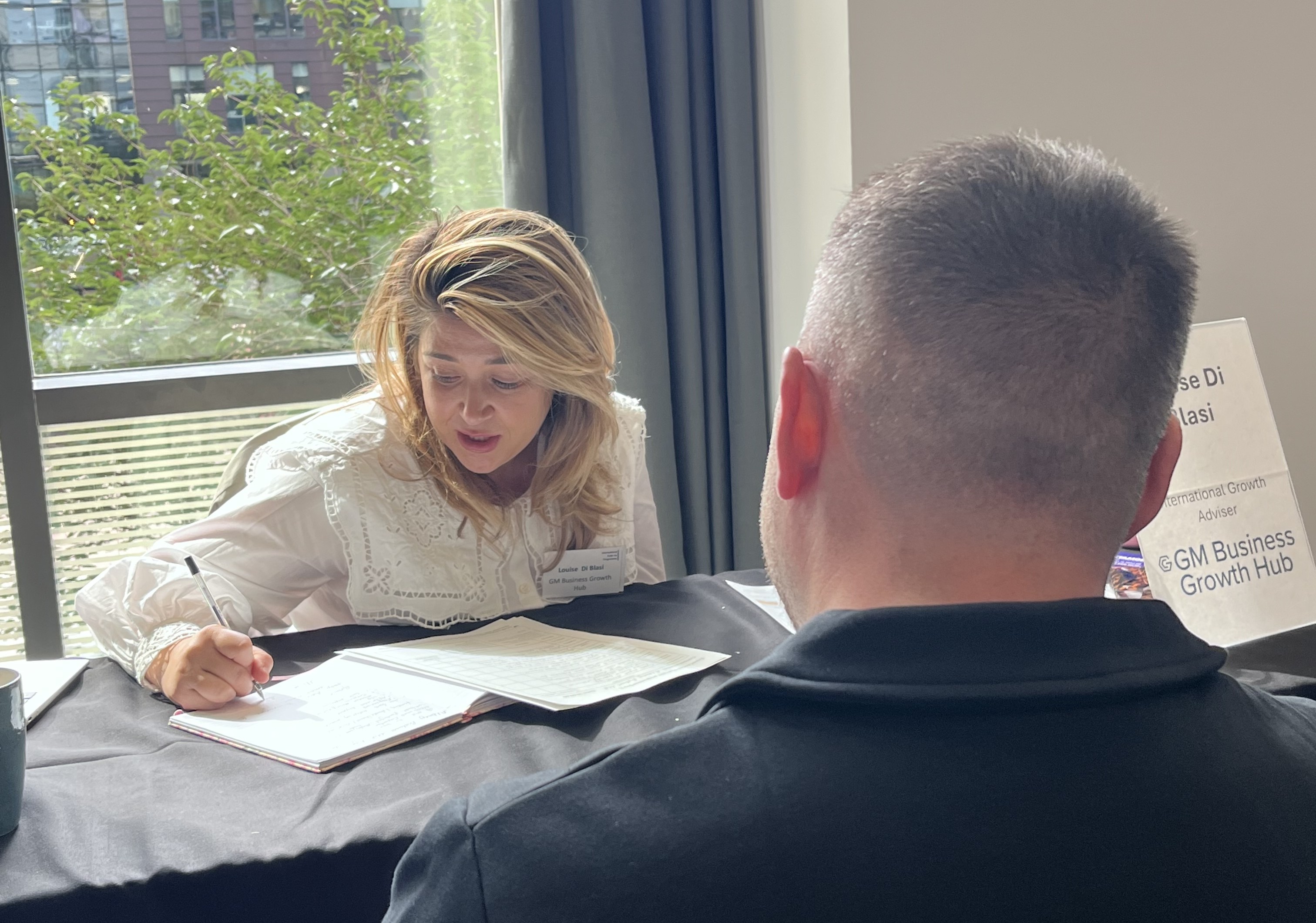
5. Why should businesses think about customs and compliance before their first order?
"In my experience, businesses focus on finding customers first and only start thinking about customs, tariffs and trade agreements when they're ready to ship. By that stage, they can miss opportunities to save money, improve competitiveness or avoid problems.
"I often see businesses seek support only once something has gone wrong – an HMRC query, goods held at a port, incorrect documentation, product certification problems or unexpected tax and VAT obligations overseas.
"Planning ahead can reveal opportunities to reduce costs. I worked with a business importing goods with a high duty rate into the UK, with around 50% of the products stored in the UK before being exported to the US. By using a Freeport customs-approved logistics facility, the export-bound goods remained under customs control and qualified for duty exemption when shipped to the US. As a result, duty was only paid on the goods sold in the UK, reducing costs, improving cash flow and creating a more efficient supply chain.
"Compliance shouldn't be viewed as a barrier to trade. It's an essential foundation for any business looking to grow sustainably.
Your next step: Check the tariffs, rules of origin and documents that apply to your products using the free Check how to export goods service on GOV.UK.
6. What's the most common reason businesses talk themselves out of international trade?
"Many businesses see it as complex, risky and expensive. They worry about regulations, customs procedures, logistics, payment risks, language barriers, or simply not knowing where to start. These challenges are real, but they're usually manageable with the right advice and support.
"Sometimes I speak to businesses that are already exporting without realising it – through online sales, enquiries from overseas customers or marketplace platforms.
"The successful businesses are the ones who take the first step, ask questions and seek expert guidance, rather than letting fear or uncertainty hold them back. Running a business can be isolating at times, and having an experienced Advisor who understands the challenges and speaks your language can make a real difference."
Louise Di Blasi
How the GM Business Growth Hub can help
Whether you're preparing your first overseas pitch or looking to grow in markets you already serve, our International Trade Services team can help you:
✔ Get one-to-one support from an International Growth Advisor to build your strategy, choose your markets and plan your route to market
✔ Join the International Scale Up Programme – Applications for Cohort 4 are open
✔ Join a trade mission to meet buyers and partners in-market
Ready to win over international buyers? Speak to Louise and the International Trade Services team to accelerate your international growth.
About Louise Di Blasi

Louise Di Blasi is an International Growth Advisor at the Business Growth Hub, with more than 20 years of experience supporting business growth. Before joining the Hub, she spent many years sourcing and developing products globally for major retailers, and later served as Head of Customs and Trade at Liverpool City Region Freeport – work that led to an invitation to speak at an international transport conference in Shanghai on the UK's approach to trade.
Having seen international trade from the buyer's side, the supply chain and the Advisor's chair, Louise brings a practical, holistic perspective that helps businesses make informed decisions, avoid common mistakes and grow internationally with confidence.