By Piyush Singh, Sustainability and Net Zero Consultant, Green Economy Estimated reading time: 6 minutes Date: 17th August 2026
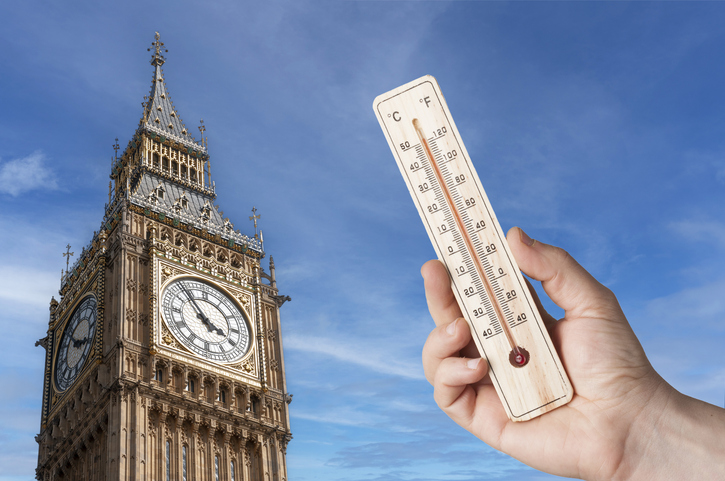
The UK may not traditionally be known for extreme heat, but recent summers suggest businesses can no longer view heatwaves as an occasional inconvenience.
According to research published by the Grantham Research Institute, the June 2026 heatwave resulted in an estimated 24 million lost working hours and a £1.15 billion impact on the UK economy. Workers in physically demanding sectors such as construction and agriculture were among those most affected, highlighting how extreme weather can have real consequences for productivity, workforce wellbeing and business performance.
While these figures reflect a national picture, the lessons are equally relevant for businesses across Greater Manchester. From disrupted operations and rising energy costs to staff wellbeing and supply chain challenges, extreme weather is becoming an increasingly important business issue.
As a result, more organisations are looking at how they can improve resilience, adapt to changing conditions and future-proof their operations.
Why heatwaves matter to businesses
Extreme heat affects businesses in several ways.
For many employers, the most immediate challenge is workforce productivity. High temperatures can make it more difficult for employees to concentrate, increase fatigue and affect overall performance. Research found that 87% of workers reported at least one heat-related health impact during the June heatwave, including disrupted sleep, tiredness and reduced ability to work effectively.
Heatwaves can also contribute to:
- Reduced productivity and performance
- Increased health and safety risks
- Rising energy consumption and cooling costs
- Disruption to transport and logistics
- Equipment and infrastructure challenges
- Changes in customer behaviour and demand patterns
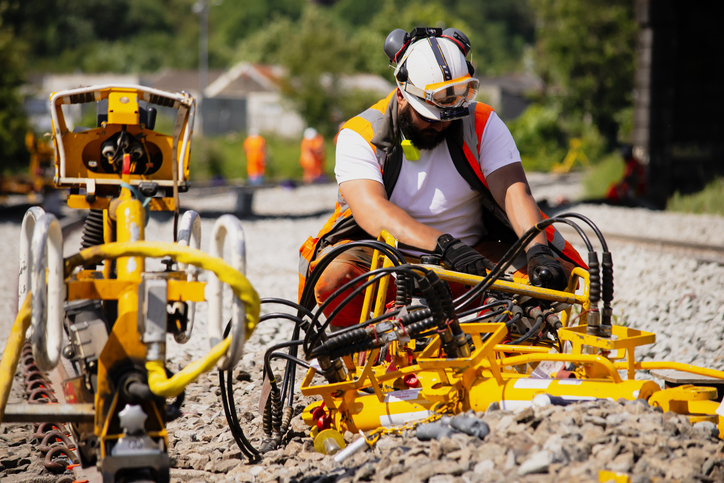
For sectors such as manufacturing, construction, logistics and food production, where staff and equipment may be operating in challenging conditions, these risks can be particularly significant.
The wider business cost of extreme weather
Heatwaves are only one part of the picture.
Research from the Met Office highlights how extreme heat can affect transport networks, energy infrastructure and supply chains. Rail disruption, road surface damage and increased pressure on energy systems can all create knock-on effects for businesses of every size.
For SMEs, even small disruptions can have a disproportionate impact. Delayed deliveries, temporary closures, reduced staffing levels or operational downtime can quickly affect revenues and customer confidence.
As climate-related weather events become more common, resilience planning is becoming an increasingly important consideration for business leaders.
Building resilience into your business
The good news is that businesses can take practical steps today to reduce risk and improve resilience.
Many of these actions not only help businesses cope with extreme weather but can also improve efficiency, reduce operating costs and support wider sustainability objectives.
Review business continuity plans
Understanding how extreme weather could affect your operations is a sensible starting point. It is worth considering your approach to these risks holistically, as extended dry periods can increase the chances of wildfires, flash flooding, and other related risks.
Start by considering how specific extreme weather events might affect your operations and adapt your business continuity plan from there. Questions to consider include:
- How would a prolonged heatwave affect your workforce?
- Are your premises equipped to cope with higher temperatures?
- Could suppliers or logistics partners be disrupted?
- Do you rely on a water supply that may be disrupted during drought?
- Do contingency plans exist if operations are affected?
- Is your business prepared for related risks, such as wildfires or flash flooding?
Business continuity planning can help organisations identify potential vulnerabilities before they become costly challenges. While the effects of extreme weather cannot always be prevented entirely, having a plan in place to identify impacts to your business and mitigate the effects can prevent your operations from grinding to a halt.
Improve energy efficiency
Buildings that are poorly ventilated or inefficiently managed often become uncomfortable and expensive to operate during periods of extreme heat.
Simple improvements such as enhanced ventilation, solar shading, improved insulation and energy-efficient cooling systems can help maintain comfortable working conditions while reducing energy consumption.
Businesses looking to improve efficiency and reduce environmental impact can access support through GM Business Growth Hub's Sustainability service.
Support employee wellbeing
People remain every organisation's most valuable asset.
During periods of extreme heat, employers can support staff by:
- Providing access to drinking water
- Introducing flexible working arrangements where appropriate
- Adjusting working patterns to avoid the hottest parts of the day
- Improving ventilation and cooling
- Conducting appropriate workplace risk assessments
Protecting employee wellbeing can help maintain productivity while reducing health and safety risks.
Strengthen your supply chain
Many businesses focus on their own operations but overlook vulnerabilities elsewhere in their supply chain.
Understanding key supplier dependencies, alternative sourcing options and potential transport risks can help minimise disruption when extreme weather occurs.
Practical support for adapting to climate risks
For businesses unsure where to start, Green Economy has developed a comprehensive guide to Climate Adaptation and Resilience as part of their Sustainable Growth Toolkit, providing practical guidance on understanding climate risks and identifying actions that can strengthen resilience.
The guide explores:
- Extreme weather risks facing businesses
- Practical guides to preparing for extreme heat, wildfire, drought and flooding
- Climate adaptation planning
- Business resilience measures
- Practical steps organisations can take to prepare for future challenges
It provides a useful starting point for businesses looking to move from awareness to action.
Resilience and sustainability often go hand in hand
Preparing for extreme weather is not always about investing in air conditioning or responding to emergencies after they happen.
Many of the steps that help businesses adapt to future climate risks can also deliver immediate benefits through improved energy efficiency, lower operating costs and stronger day-to-day operations.
Across Greater Manchester, businesses are already taking action.
For example, Stamford Products, a Stalybridge-based manufacturer, worked with Green Economy to identify opportunities to reduce carbon emissions and improve efficiency. Through specialist sustainability support, the business implemented measures that helped reduce costs while strengthening its environmental performance.
While the project was not developed specifically to address heatwaves, it demonstrates how sustainability initiatives can help businesses become more efficient, resilient and better prepared for future challenges, including the increasing risks associated with extreme weather.
Climate adaptation is also a business opportunity
While climate adaptation is often viewed through the lens of risk management, it is increasingly being recognised as an economic opportunity.
A recent Government Office for Science report highlighted the growing global demand for products, services and expertise that help organisations respond to climate risks. The report suggests adaptation-related markets could represent a significant opportunity for UK businesses over the coming decade.
Businesses that invest early in resilience and sustainability may therefore be better positioned not only to manage future risks, but also to take advantage of emerging opportunities.
Support for Greater Manchester businesses
Whether you're concerned about rising energy costs, extreme weather risks or wider sustainability goals, support is available.
Businesses can access:
- GM Business Growth Hub Sustainability Support
- Climate Adaptation & Resilience Toolkit
- How Can I Prepare My Business for Climate Change?
- What Can Alcohol-Free Beer Teach Us About Innovation?
The recent heatwave demonstrated that extreme weather is no longer a challenge for the future. It is already affecting businesses, employees and the wider economy, with more than £1 billion in lost productivity linked to a single week of extreme heat.
Businesses that understand the risks, strengthen resilience and act early will be better placed to thrive in an increasingly unpredictable environment.
About the Author:

Piyush Singh, Sustainability and Net Zero Consultant, Green Economy
Piyush Singh is a Sustainability Consultant at Green Economy with more than 13 years' experience helping organisations reduce environmental impact, improve energy performance and develop credible net zero pathways. He brings technical expertise in carbon footprinting, Scope 1, 2 and 3 emissions, carbon reduction planning, PPN 006 compliance, SECR and ESOS reporting, environmental management systems and behaviour-change training.
Get in touch
Please contact us at 0161 3593050 or query below.
Take that first step and we’ll support you with whatever you need to succeed.
Sign-up to our newsletter
Insights, news, events and opportunities straight to your inbox.